
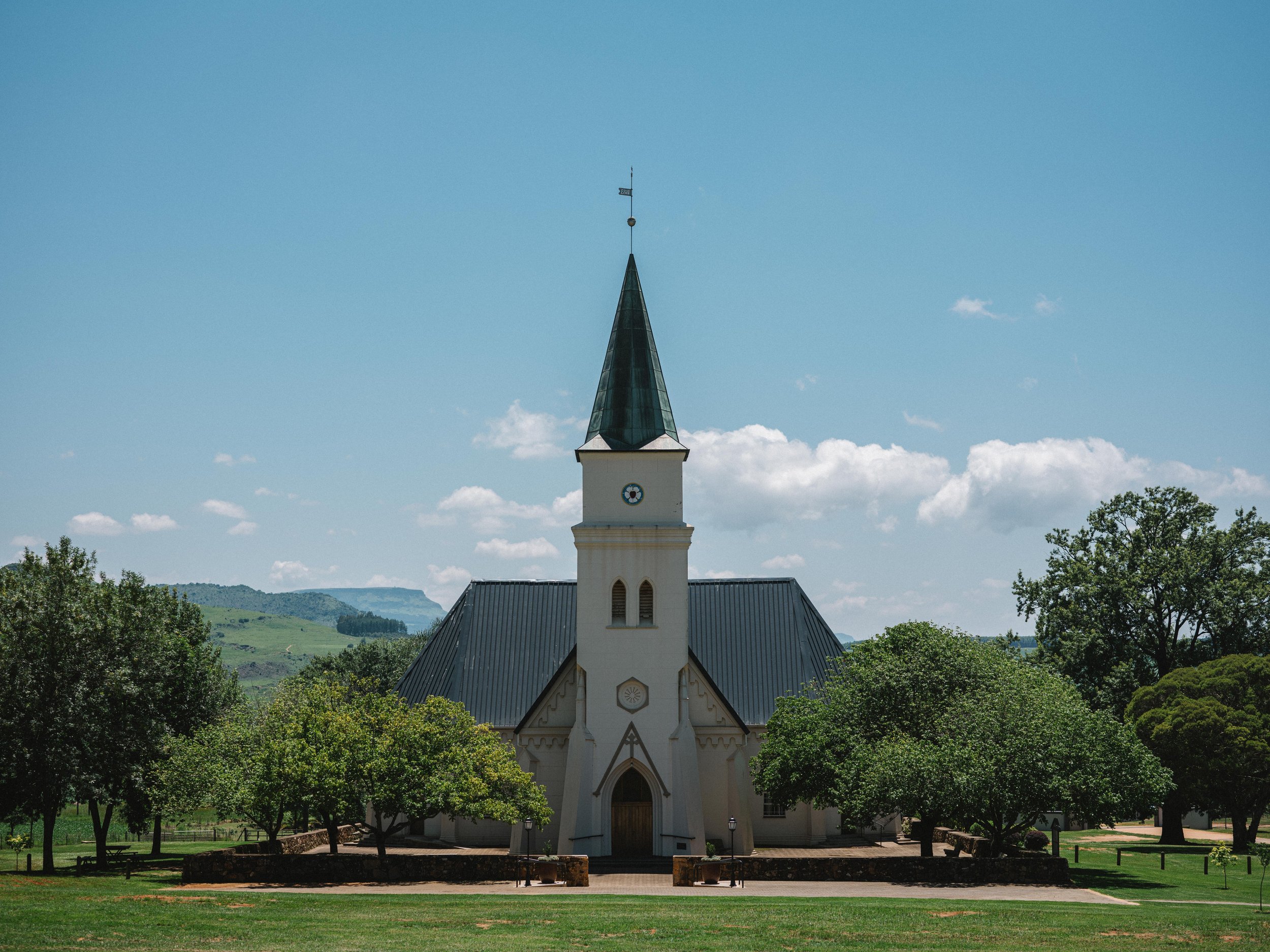
Lüneburg Kirche, Mpumalanga. The first Springbok Deutsch congregation arrived here in 1854, worshipping in a wooden hut before building this structure. Generations since have been buried in the graveyard behind, with family lines carefully recorded.
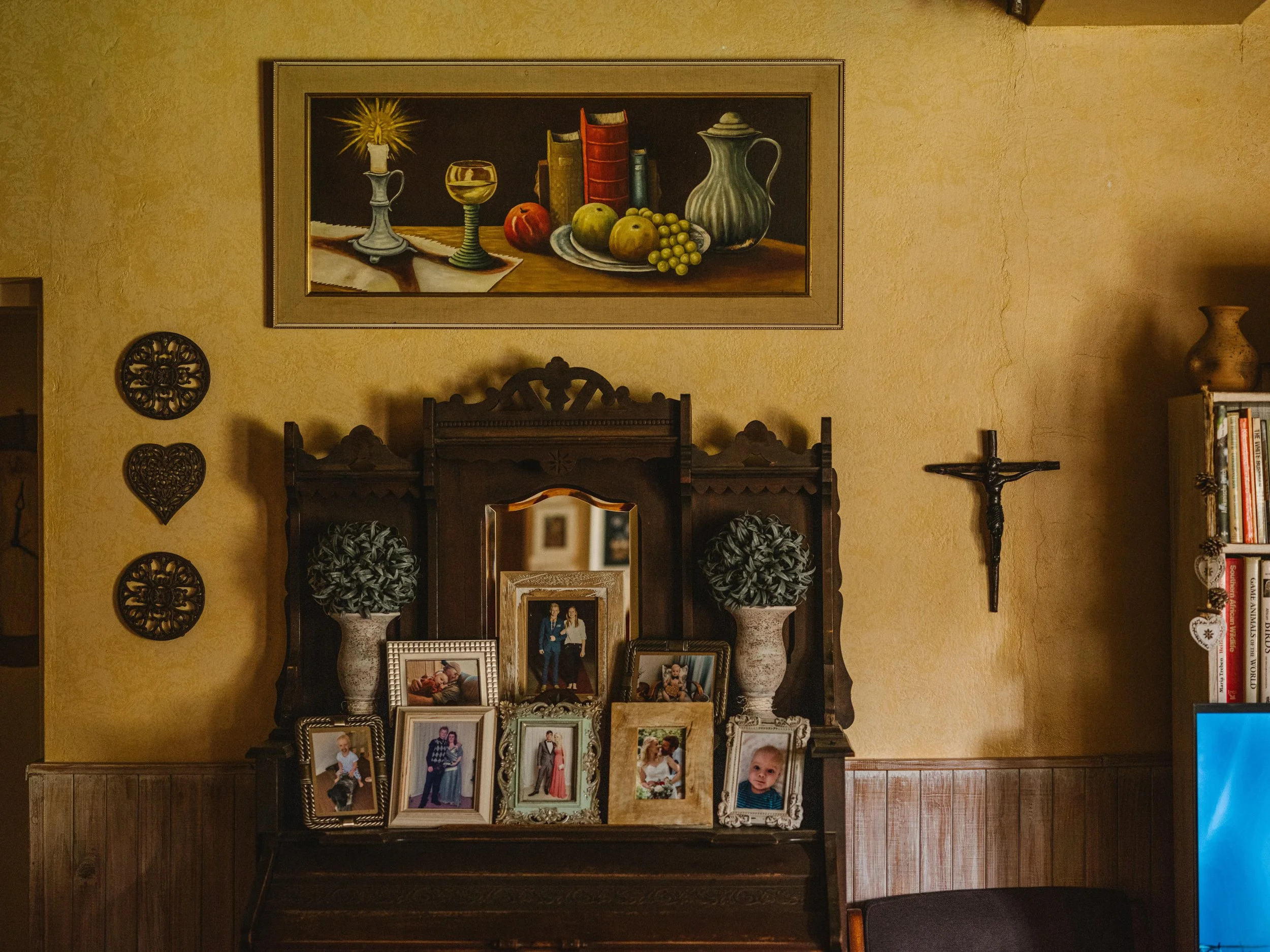
Horst and Rona, sixth-generation Springbok Deutsch, at their home built by Horst grandfather in Lüneburg, Mpumalanga. Their family now spans eight generations.
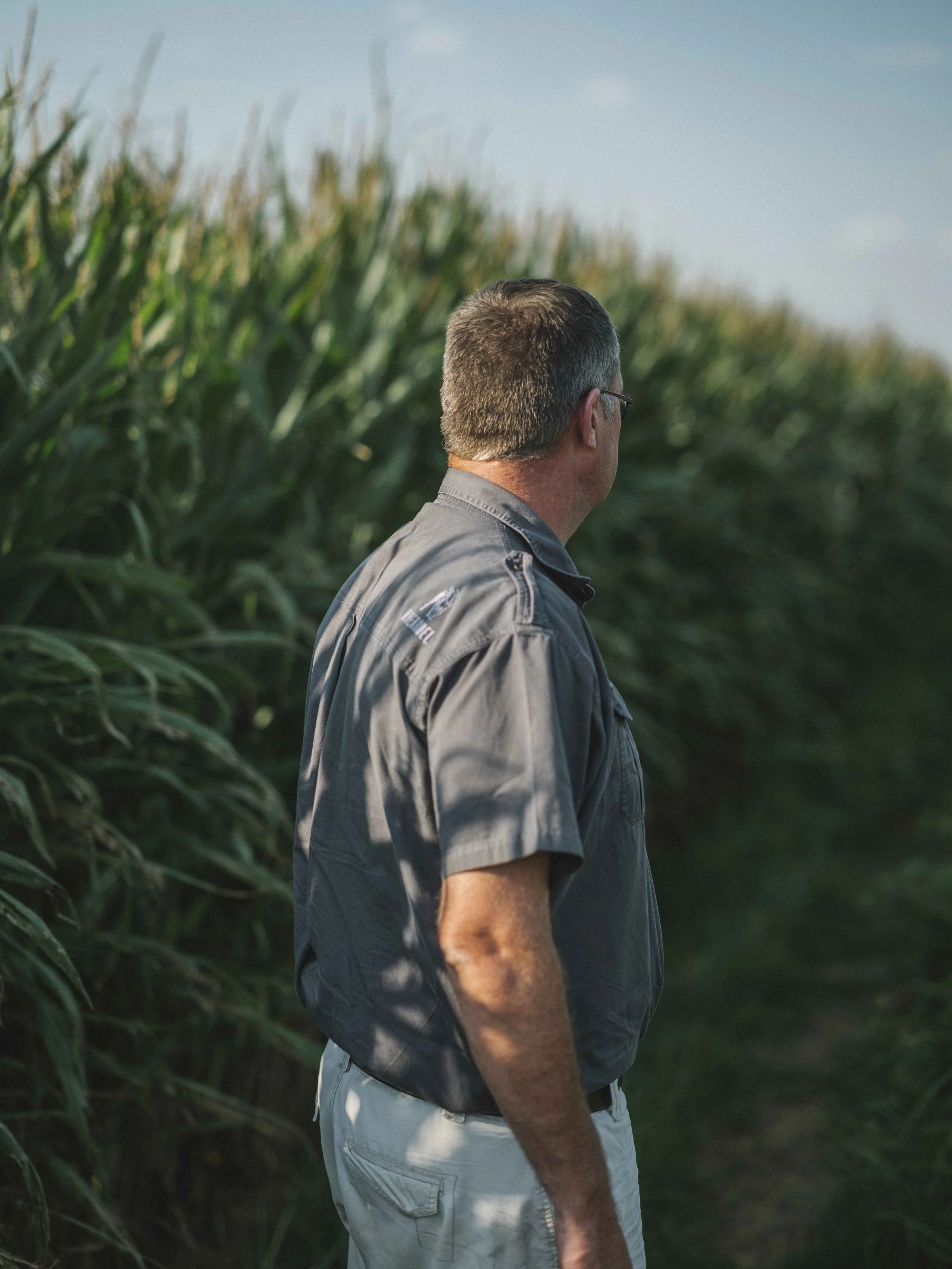
Sixth-generation farmer, Heino Heisterman inspecting his maize fields. Agriculture sustains the Springbok Deutsch, they have a deep knowledge and connection to the land. St Helena Bauernhof, Mabola, Mpumalanga.
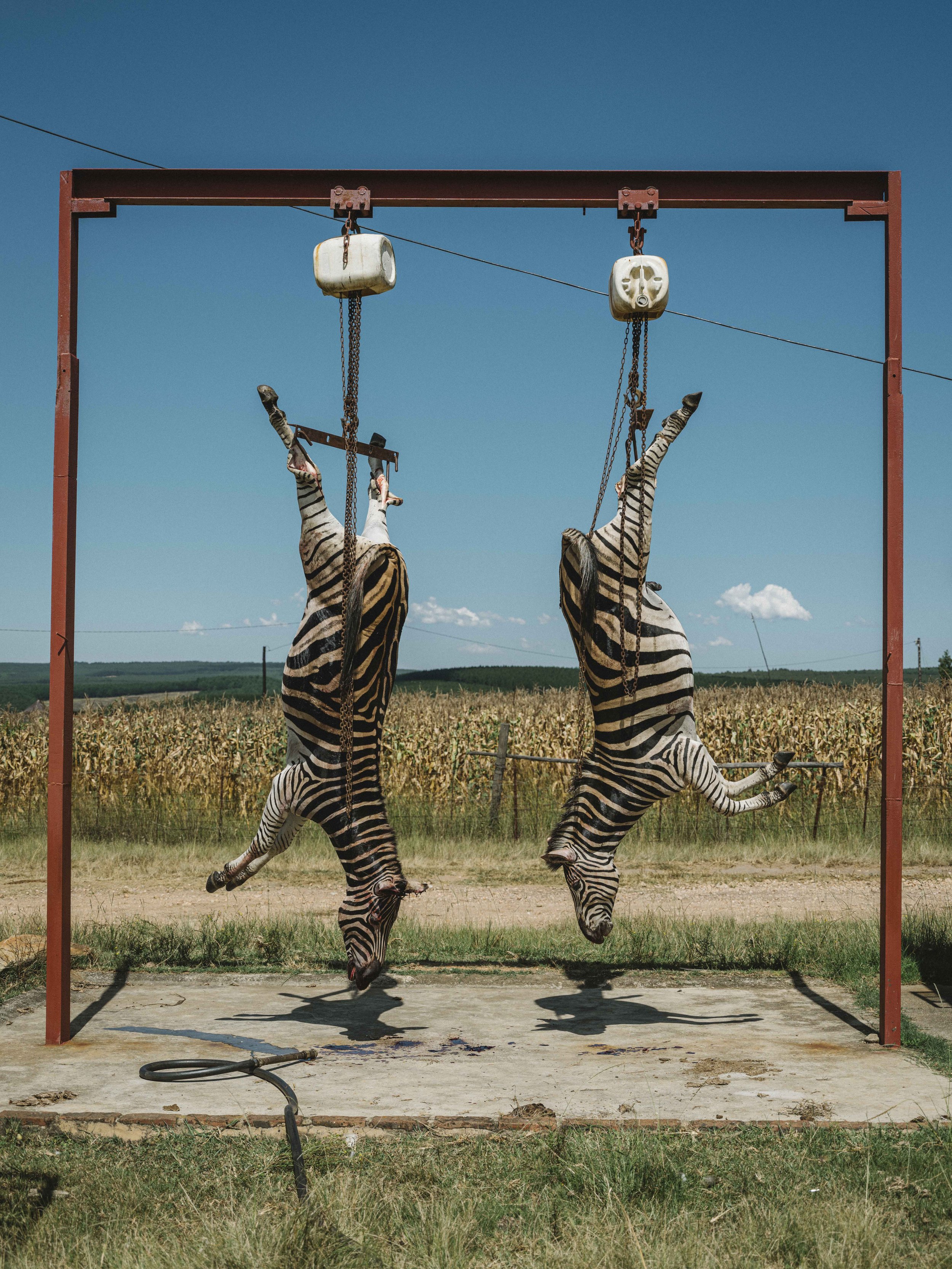
Suspended, elder steeds, culled. Zebras consume four times the resources of cattle. Its meat was shared with a local Zulu family after a bereavement. Zwartwater, Mpumalanga.
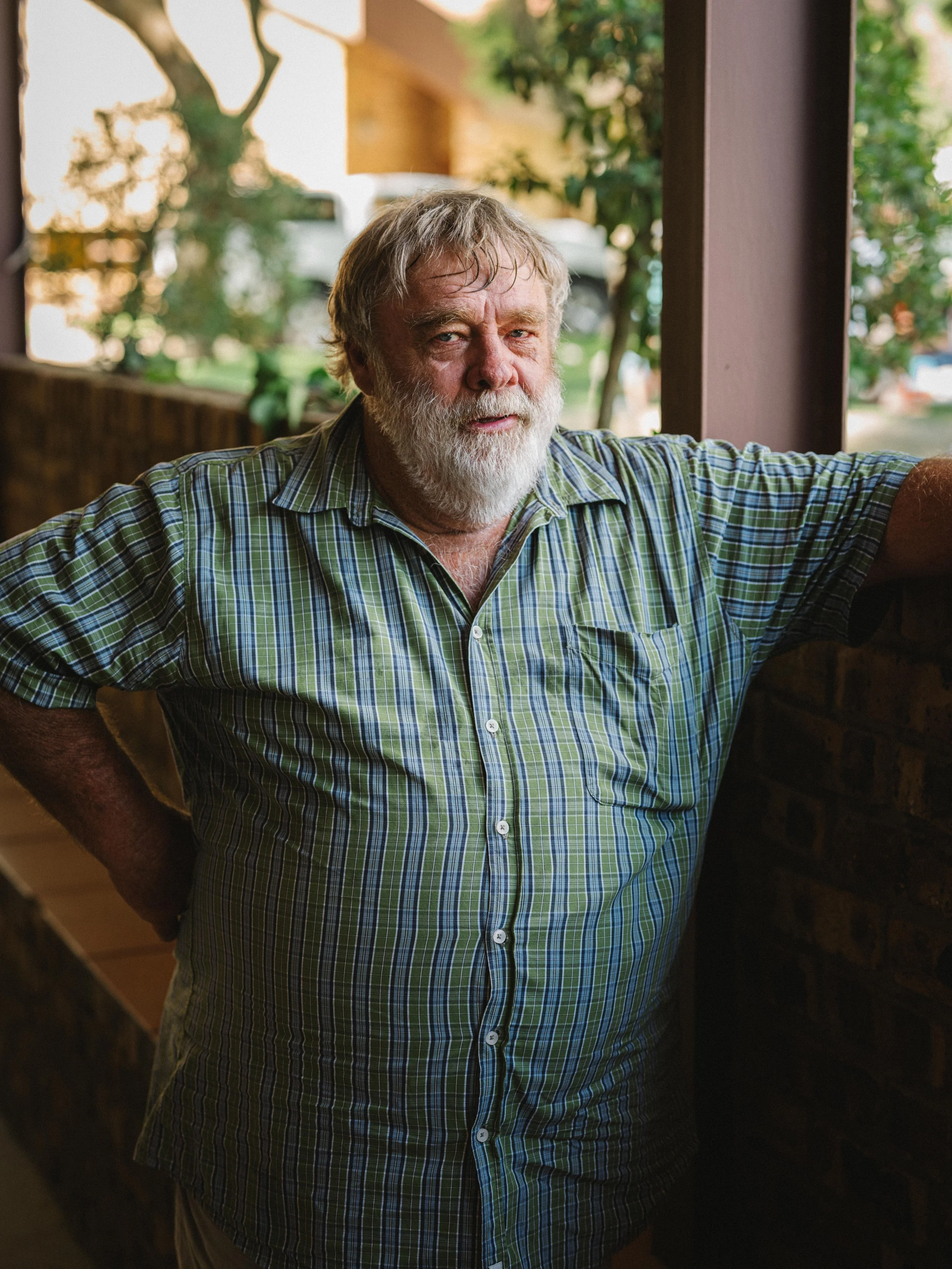
Erlo Bennike, fifth-generation descendant of the original 12 families, during the decennial Bennike reunion at St. Marcus Kirche, Mkhondo.
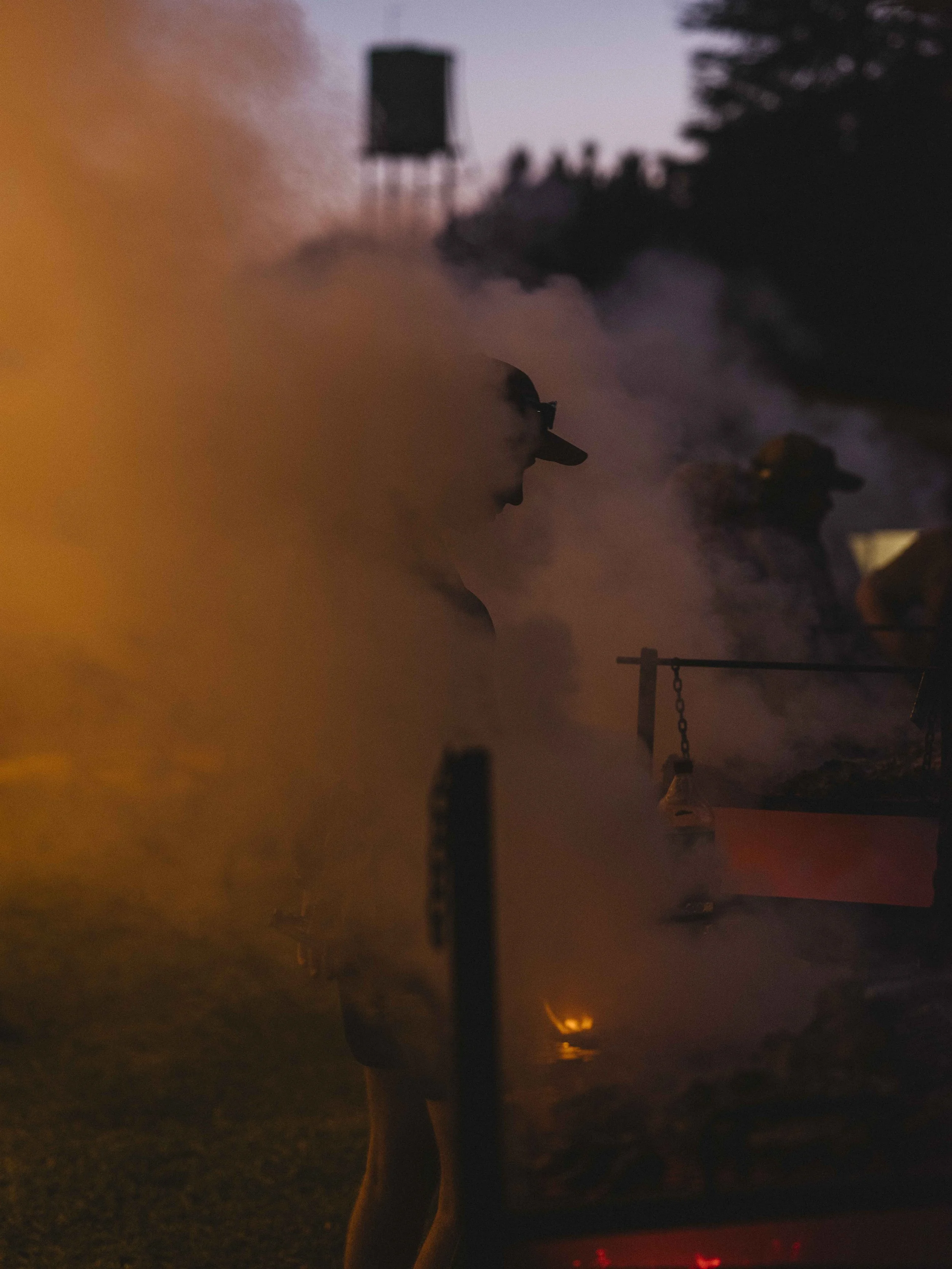
Mantunjana Braai, an annual gathering at Braunschweig Kirche, brings together more than 200 members of the Springbok Deutsch community. The event begins with traditional German cakes and coffee before moving to grilled sheep intestines — a delicacy. Fellowship carried into the long summer evening, enhanced by the church's bar.

Brass band rehearsal happens weekly, preparing for the Sunday service. Music is central them; the act of playing together mimics their communal bond. There is an unspoken ask, expectation, to serve one another musically at community occasions and ceremonies. Wittenberg, Mpumalanga.
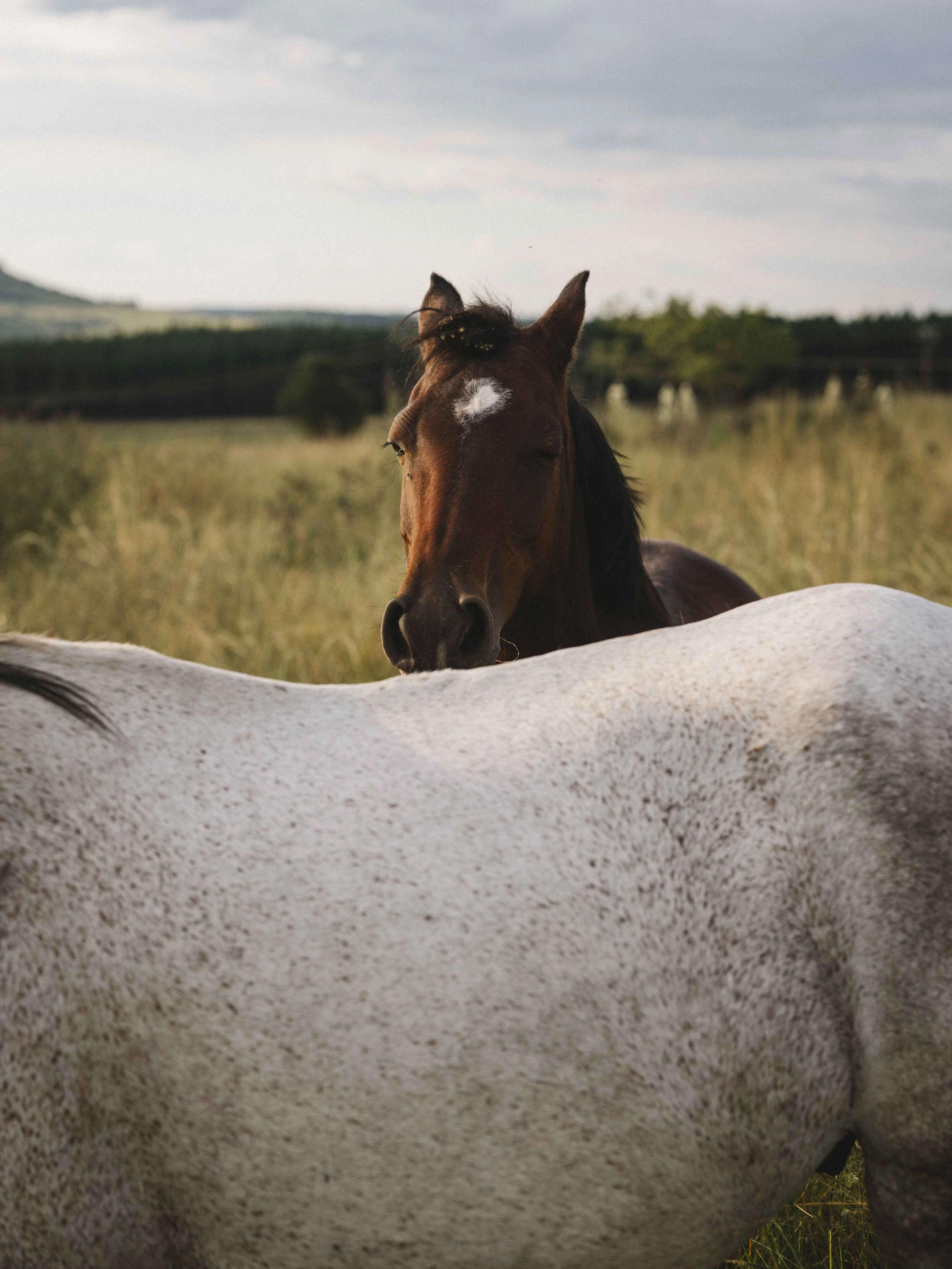
Horses are still used on the farm to patrol land as well as ATVs. Theft is a regular occurrence on farms in this area of South Africa.
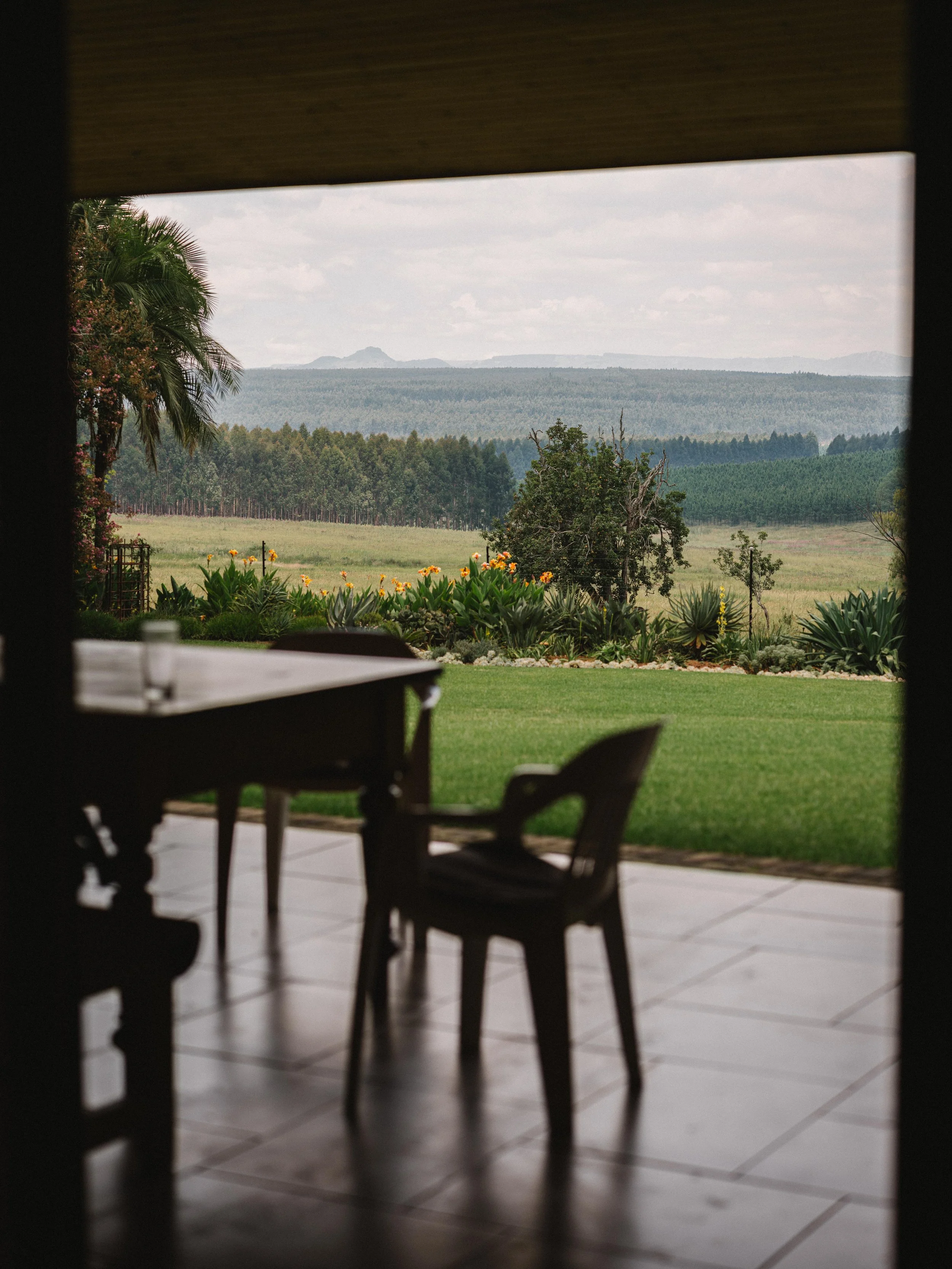
Pine is one of the main local crops. In the distance, visible are the mountains of the Pongola Nature Reserve. This community live over a wide radius but in close community.
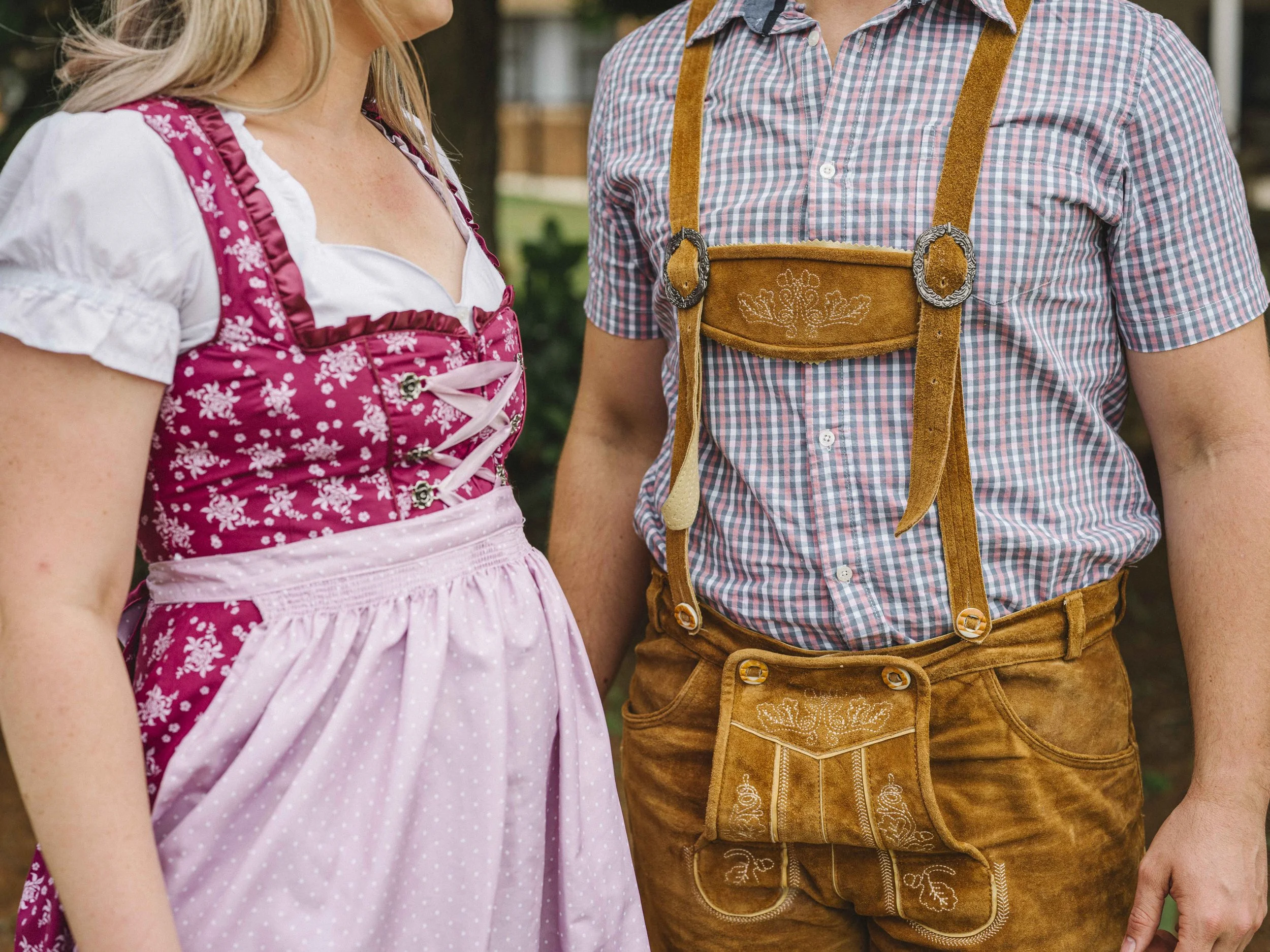
Traditional dress of dirndls and lederhosen is adorned by some in the community for events or celebrations.
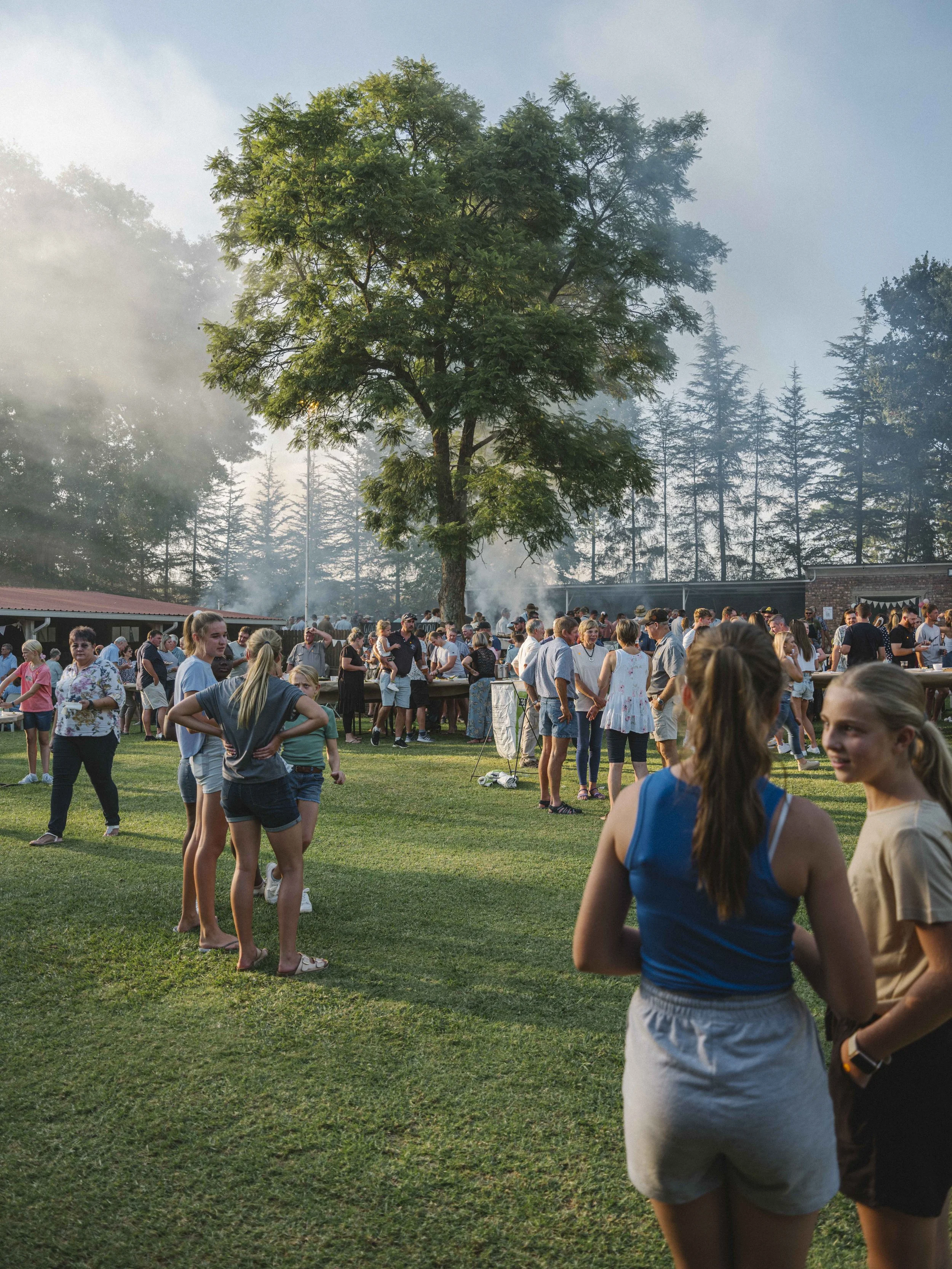
Mantunjana Braai, an annual gathering at Braunschweig Kirche, brings together more than 200 members of the Springbok Deutsch community. The event begins with German cakes and coffee before moving to grilled sheep intestines — a delicacy. Fellowship carry into the long summer evening, enhanced by the churches bar.

Springbok Deutsch schoolchildren wait to be called in to the headmistress's office. Most children don’t wear shoes to school in South Africa.

St. Marcus Kirche, Mkhondo.
springbok deutsch
A work in progress, this body of photographic work offers a rare glimpse into the Springbok Deutsch, a German-descendant community in eastern South Africa that has preserved its heritage for over eight generations. Descending from the Hermannsburg missionaries in 1854, they continue to speak German, uphold traditional customs, and maintain their faith while adapting to modern South African life.
By embedding myself within the community for over 2 years, the project provides a rare glimpse into the private and public spheres of the normally reserved Springbok Deutsch, examining how they navigate the difficulty between cultural preservation and integration into the broader South African society. The dissonances of this inherited identity emerge in many forms —hymns sung at Christmas about snow unseen, in the language of a land most have never visited, with many not holding passports at all.
Through an intimate and immersive lens, Springbok Deutsch captures rhythms of the community, situating these practices within broader questions of belonging, continuity, and change. This body of work reflects on how identity, faith, and tradition endure in a rapidly changing world.